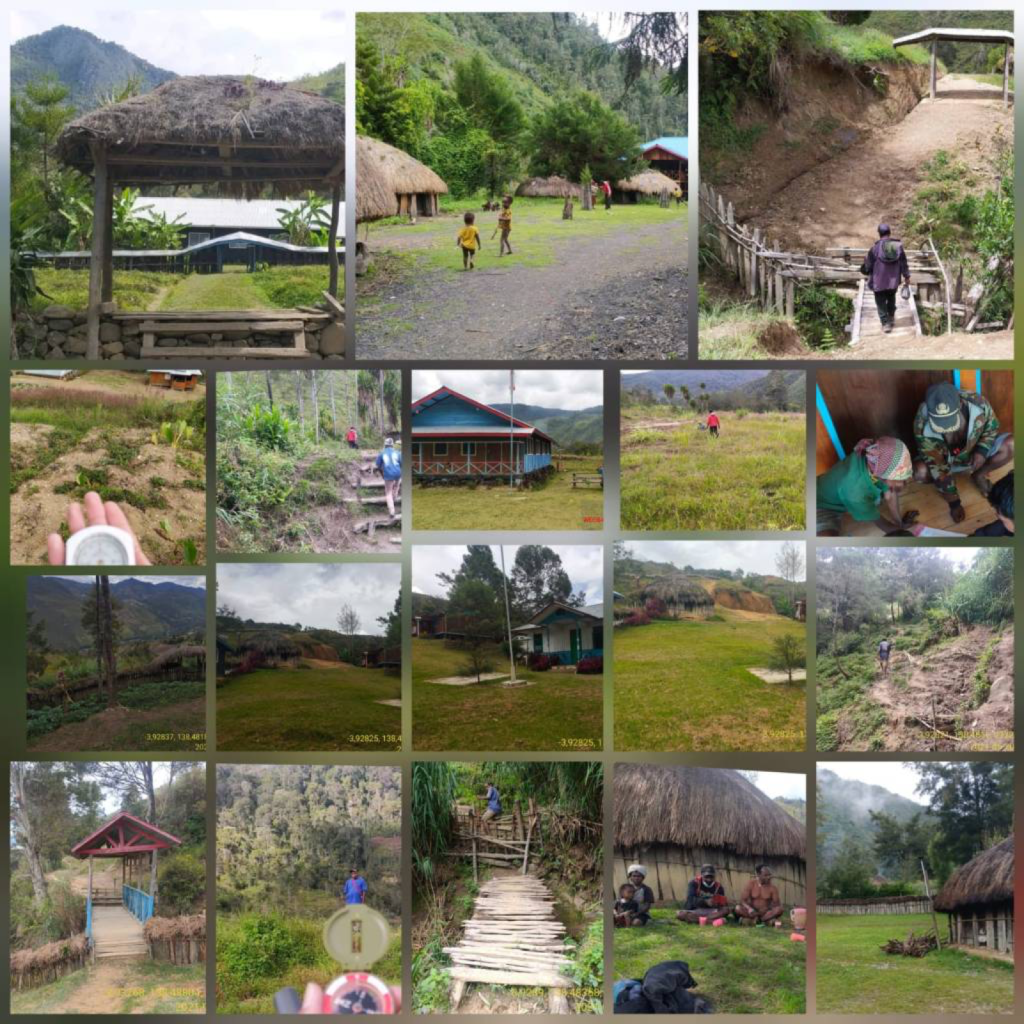
- Site Investigation Survey (SIS) is an important project that has been carried out in 31 locations in Lanny Jaya Regency, Papua, as well as several areas in East Nusa Tenggara. This project is a collaboration with private telecommunication firms or contractors, aiming to plan the construction of telecommunication towers in Eastern Indonesia, especially in remote areas with minimal access to telecommunication signals. This survey is crucial in determining the right locations for placing telecommunication infrastructure, considering various factors like topography, soil conditions, accessibility, and the needs of local communities. Through this project, it is hoped to bridge the digital divide in remote areas, improve connectivity, and open opportunities for communities to access better information and services. This effort reflects a commitment to advancing telecommunication infrastructure development in areas that have been left behind, in line with the vision of fair development throughout Indonesia.
2. The Socio-Cultural Research in Flores, East Nusa Tenggara conducted by Wana Wanua is an independent project aimed at exploring the interior of Flores, East Nusa Tenggara. The main focus of this research is to explore and elevate the cultural potential and social life of communities in five selected traditional villages. The research locations include the Traditional Village of Melo, Cecer Village of Liang Ndara, Traditional Village of Waerebo, Traditional Village of Todo, and Traditional Village of Ruteng Pu’u. Through an ethnographic approach, the Wana Wanua research team seeks to deeply understand local wisdom, traditions, social systems, and various cultural aspects that are still preserved in these five traditional villages. This research aims not only to document but also to identify development potential that can empower local communities while preserving their cultural values. The results of this research are expected to be a valuable source of information for stakeholders, academics, and the wider community about the cultural wealth of Flores. Furthermore, the research findings have the potential to become the basis for developing cultural preservation programs, community-based ecotourism, or sustainable development initiatives that align with local wisdom in the region.

Picture: Research location in Manggarai, Flores, NTT
3. The Dual Benefit Assessment of Mangroves in Nusa Lembongan, Bali reveals the close relationship between the environment and local culture. From an environmental perspective, mangrove forests play a vital role in protecting coastlines from erosion, providing habitats for diverse marine and bird species, and contributing to climate change mitigation through carbon absorption. Meanwhile, from a cultural perspective, mangroves have equally important value. This ecosystem is closely linked to local beliefs and traditional practices of Balinese society, becoming a source of livelihood through fishing and ecotourism activities, and playing a role in shaping the cultural identity of coastal communities. This assessment emphasizes that mangrove conservation efforts are crucial not only for maintaining ecosystem balance but also for preserving cultural heritage and supporting the economy of the Nusa Lembongan community. Thus, this dual-benefit approach demonstrates the importance of maintaining harmony between nature conservation and the preservation of local cultural values.
4. Media Literacy-East Java Development as one of Wana Wanua’s programs in the context of covering traditional cultural events, environmental introduction, and other social activities. This effort reflects an increased awareness of the importance of documenting and disseminating information about cultural wealth and local wisdom. The events that have been covered are:
a. Sedekah Bumi Prigen
b. Yadnya Kasada Bromo
c. Petik Laut Malten Nguling
5. Coastal Community Development in Pasuruan focuses on empowering fishermen and women fish processors. This program enhances fishermen’s skills in efficient and sustainable fishing techniques, while empowering women through training in fish processing and product marketing. This initiative aims to increase the income of fishing families, create job opportunities for women, and add economic value to the catch. By combining capacity building for fishermen and women’s empowerment, this program is expected to strengthen the overall coastal economy of East Java, while promoting gender equality in local economic development.
 Wana Wanua