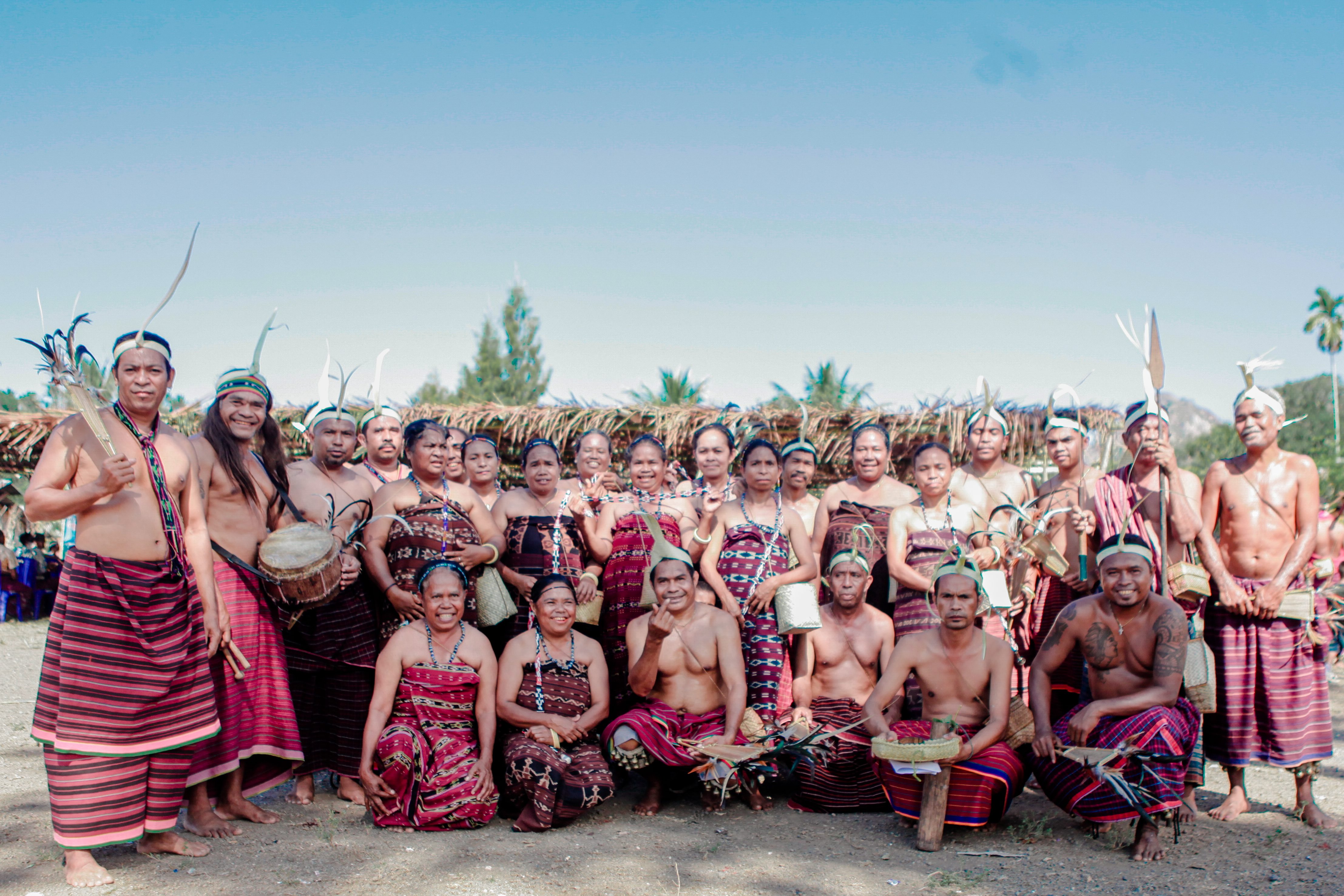
Located at the eastern tip of Flores Island, Lembata Regency is home to one of the oldest ethnic groups in East Nusa Tenggara, the Lamaholot people. With a landscape dominated by volcanic mountains, exotic beaches, and waters rich in marine resources, the Lamaholot people have developed a unique way of life that maintains a close relationship with their natural surroundings. This blog will thoroughly examine various aspects of Lamaholot life in Lembata, from social structures and cultural traditions to their centuries-old relationship with the environment.
Social Structure of Lamaholot Society
The Lamaholot people in Lembata have a well-organized social structure that continues to be upheld to this day. This social structure is formed from strong kinship bonds that have been passed down through generations.
Clan System and Traditional Houses
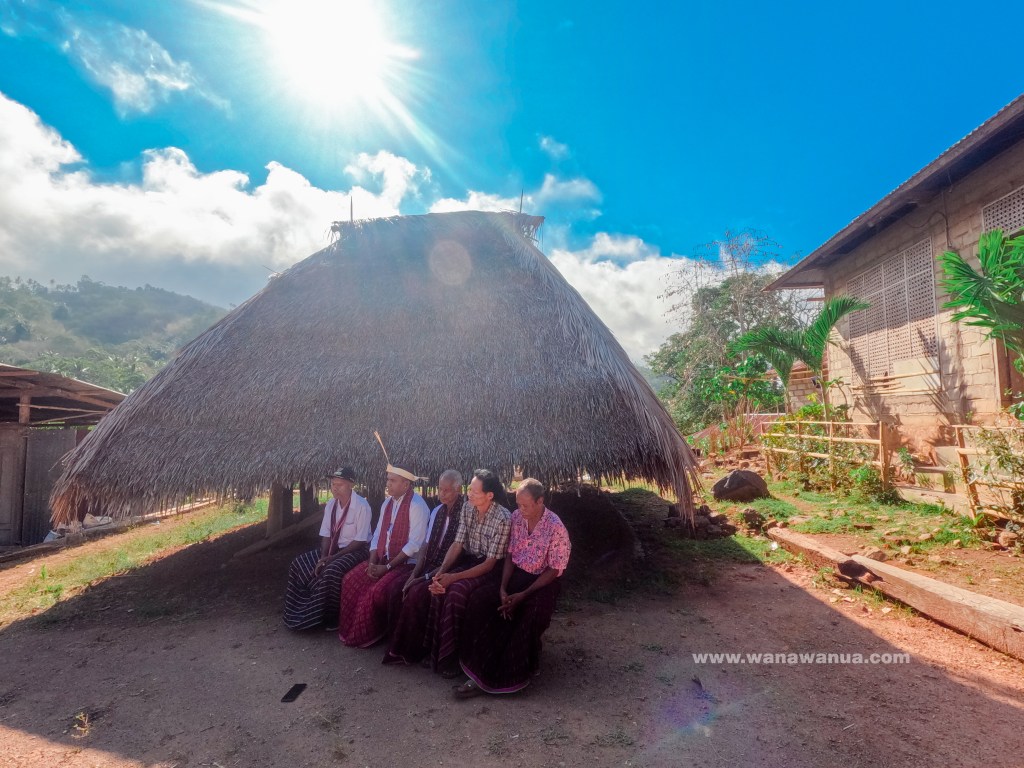
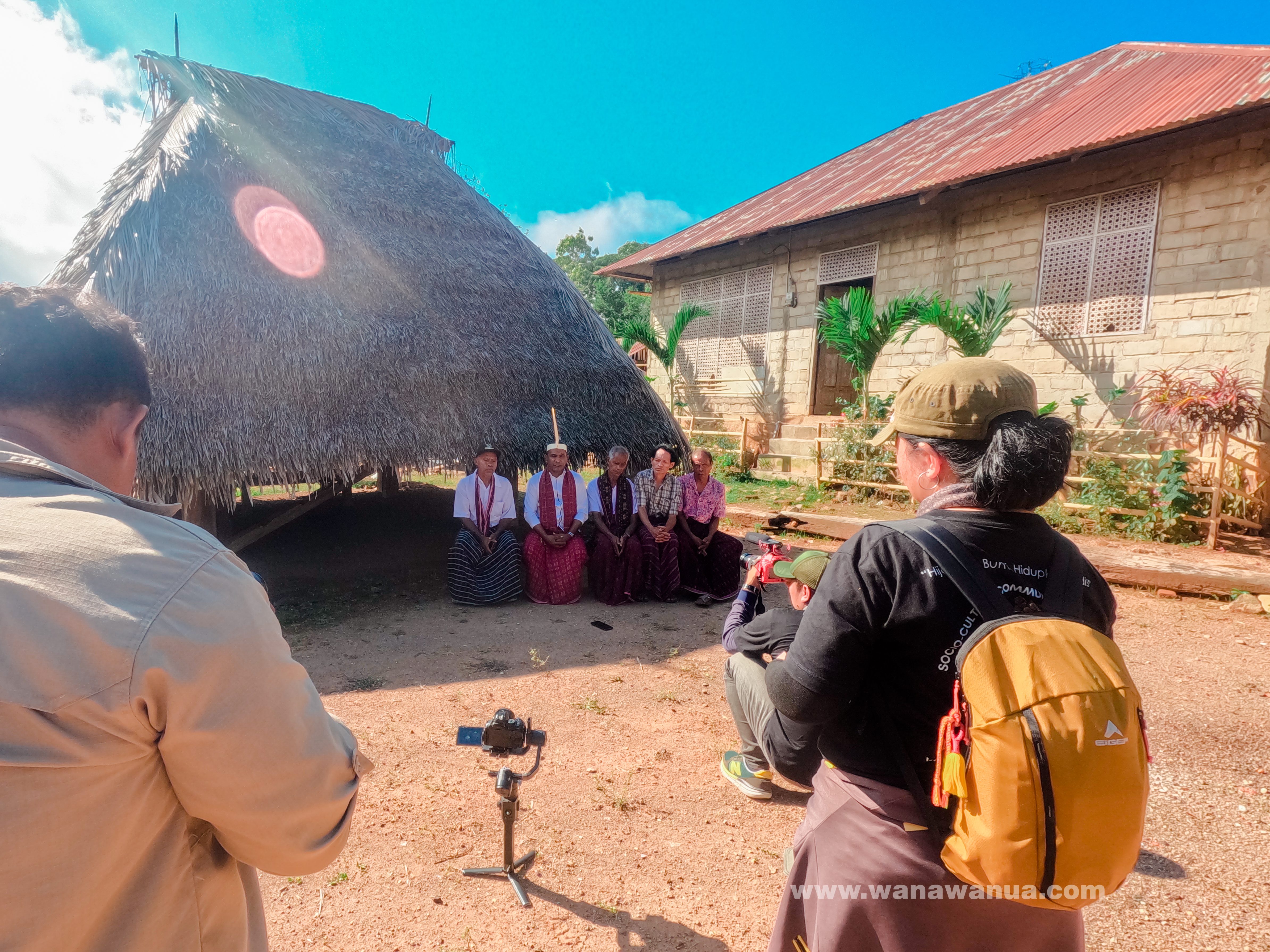
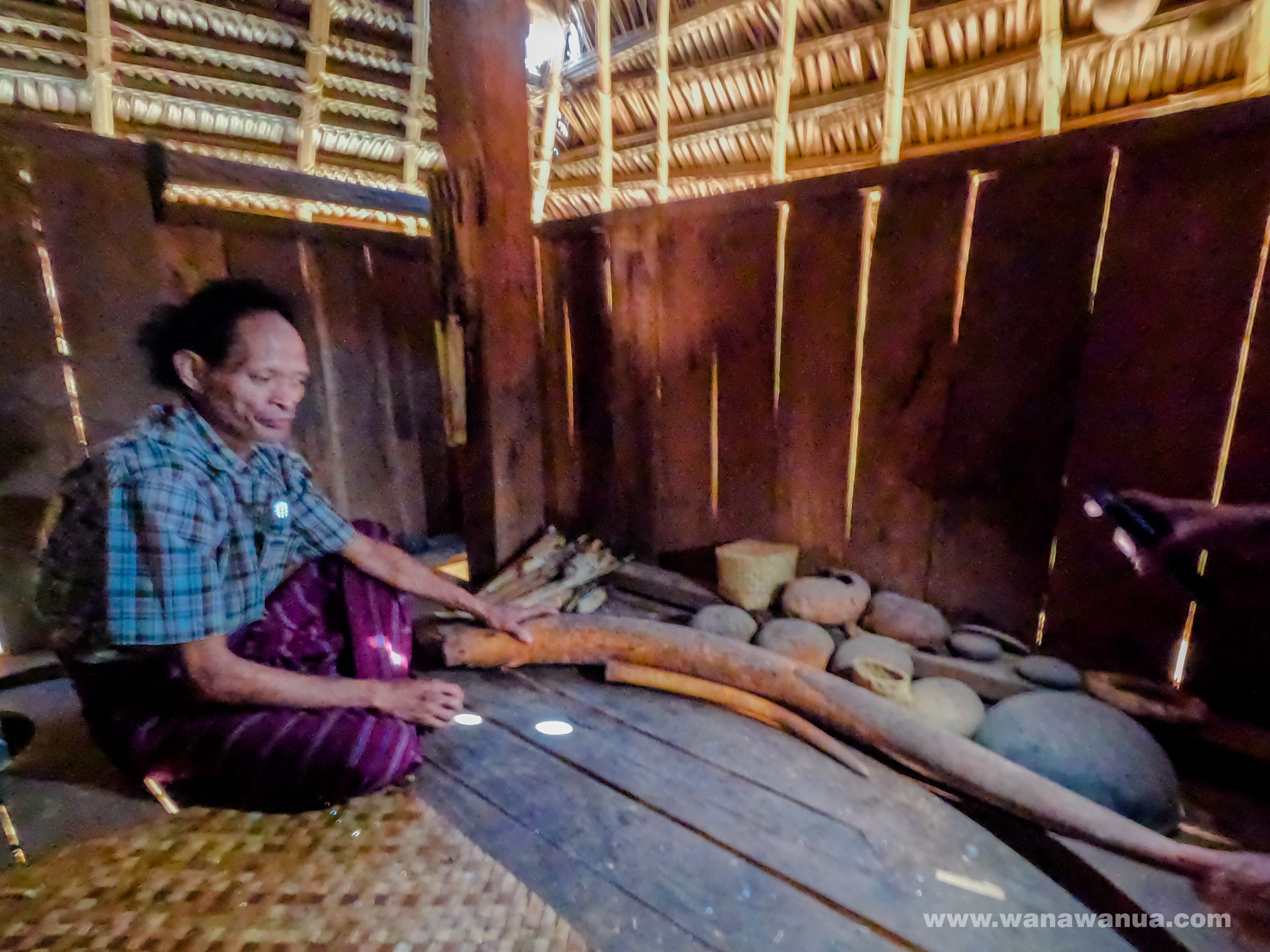
The social structure of Lamaholot society is based on a patrilineal clan system called “suku” or “clan.” Each clan has its own traditional house called “korke” or “koko bale.” These traditional houses are not merely dwellings but also function as centers for social activities, rituals, and traditional governance. It is within these traditional houses that various clan heirlooms, believed to possess spiritual power, are stored.

Roles of Traditional Leaders
In Lamaholot society, there are several traditional leaders who play important roles:
- Ata Molang Belen – The highest traditional leader responsible for governance and strategic decision-making.
- Molan Bawan – A figure who acts as a spokesperson and diplomat in inter-clan relations.
- Ata Kebelan – A ritual and ceremonial leader who possesses deep knowledge of customary law and spiritual traditions.
These traditional leaders play crucial roles in maintaining social harmony and resolving various disputes that may arise within the community.
The Concept of Kawin-Mawin
The marriage system in Lamaholot society is known as “kawin-mawin.” This concept regulates marriage relationships between clans involving material and symbolic exchanges. Marriage is not only seen as a bond between two individuals but also as an alliance between two clans. In this tradition, the man’s side (called “belake”) must provide a dowry (bride price) to the woman’s side (called “opu”), which can be in the form of elephant tusks, livestock, or other valuable items.
Cultural Richness of Lamaholot
Lamaholot culture in Lembata is rich and diverse, encompassing various aspects from language and art to traditional rituals that are still practiced today.
Language and Oral Traditions
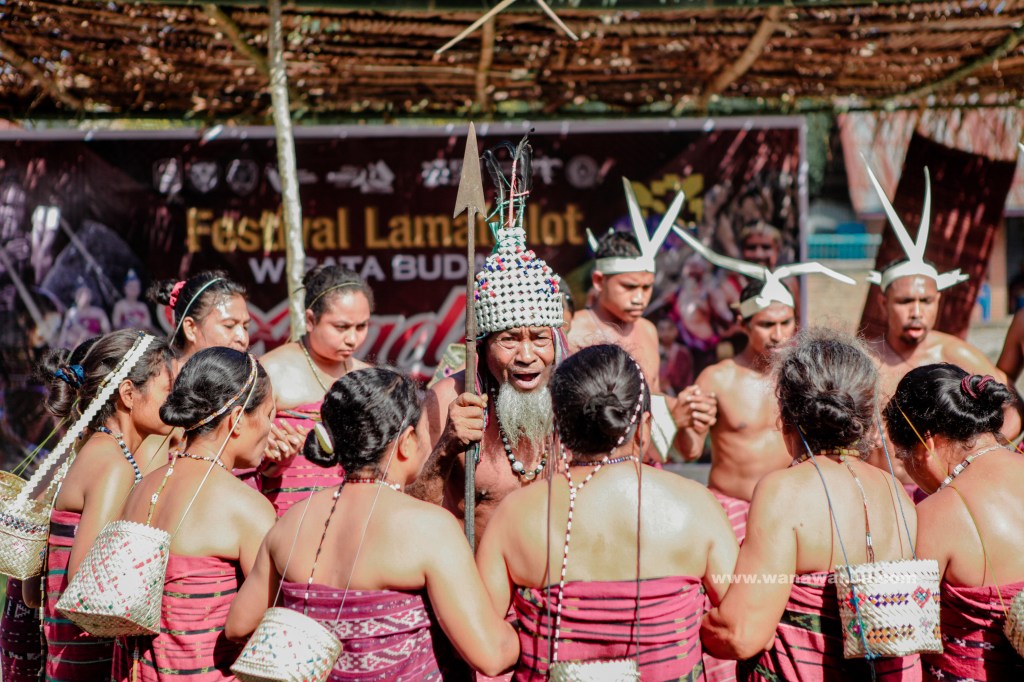
The Lamaholot language is one of the Austronesian languages that has many dialects according to geographical regions. Oral traditions are very strong in Lamaholot society, demonstrated through various forms of traditional poetry such as “opak” (verses sung during traditional ceremonies) and “nidot” (songs containing advice and moral teachings).
Traditional Arts and Crafts
Lamaholot people have distinctive handicraft traditions, including:
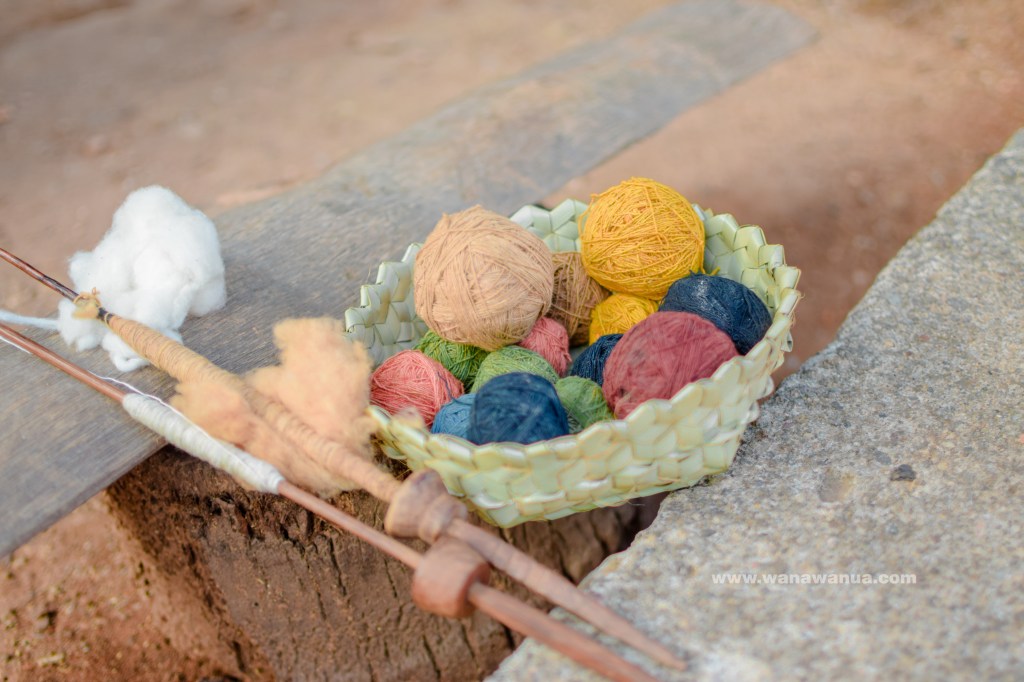
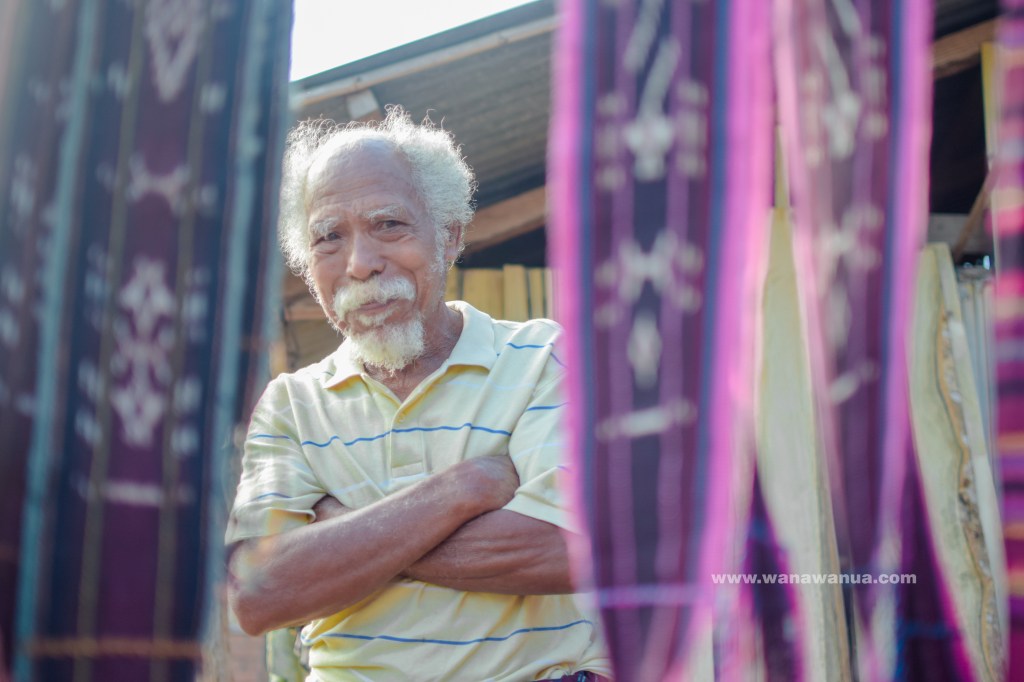
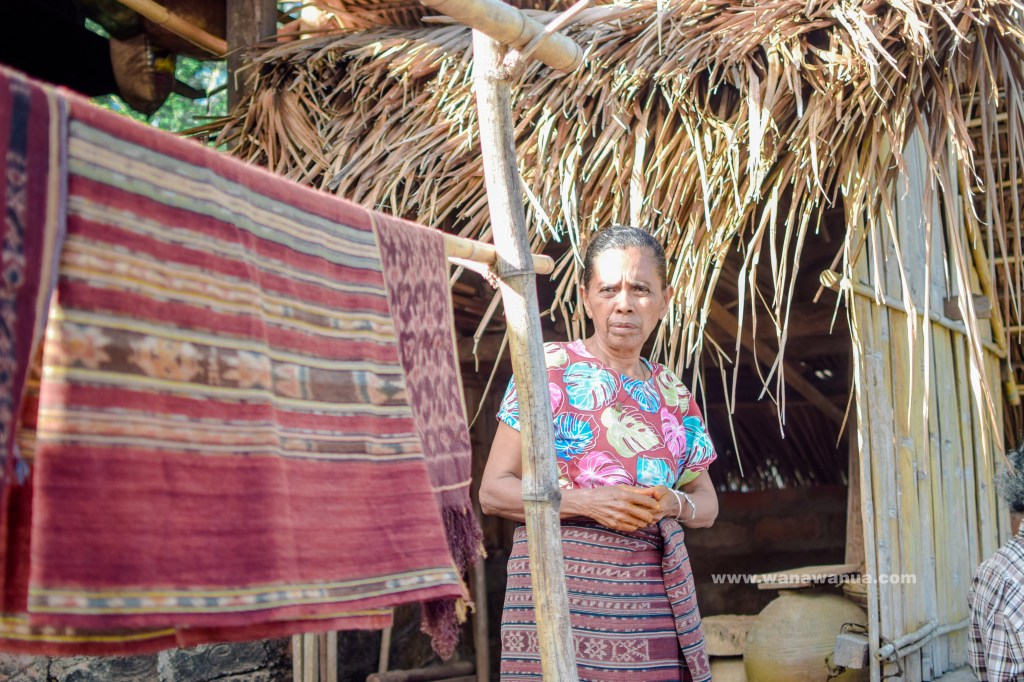
- Ikat Weaving – Lamaholot ikat weaving is known for its unique patterns and motifs, often depicting cosmological symbols and ancestral stories. The production process involves dyeing techniques using natural materials such as noni roots, tree bark, and leaves.
- Wood Carving – Lamaholot wood carvings are often found in traditional houses and ritual equipment, featuring motifs related to local beliefs and human relationships with nature.
Traditional Dance and Music
Dance and music are important parts of Lamaholot cultural expression:
- Lefo Lolon Dance – A heroic dance depicting the courage of ancestors in facing life’s challenges.
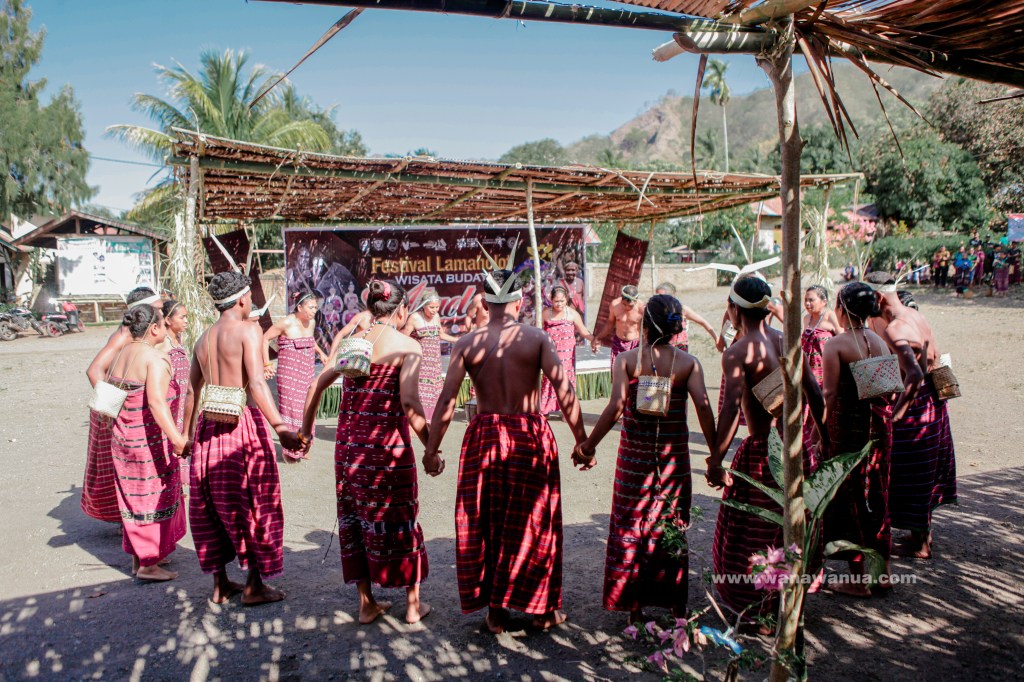
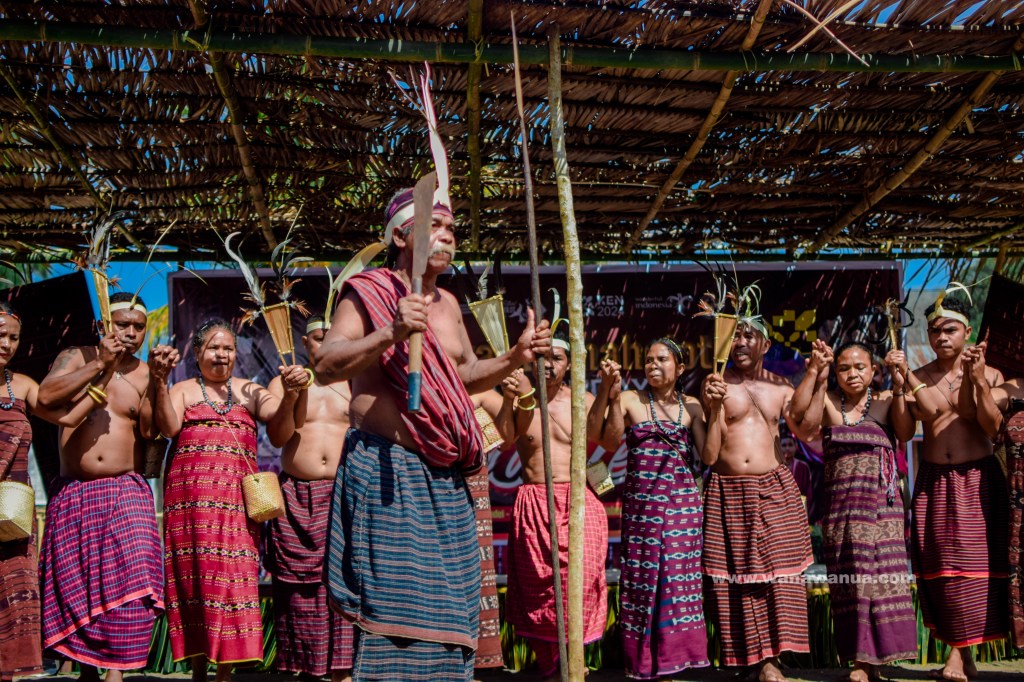
- Hedung Dance – A sacred dance performed during harvest ceremonies or other important traditional ceremonies.
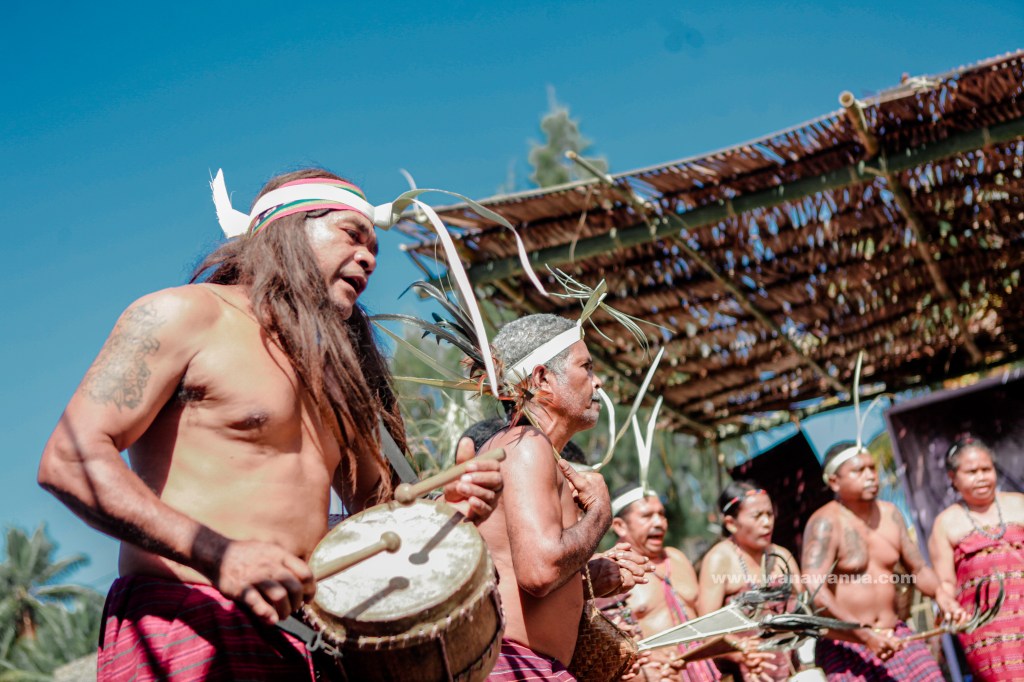
- Gong and Drum Music – Traditional musical instruments that are always present in every traditional ceremony, creating distinctive rhythms that contain spiritual values.
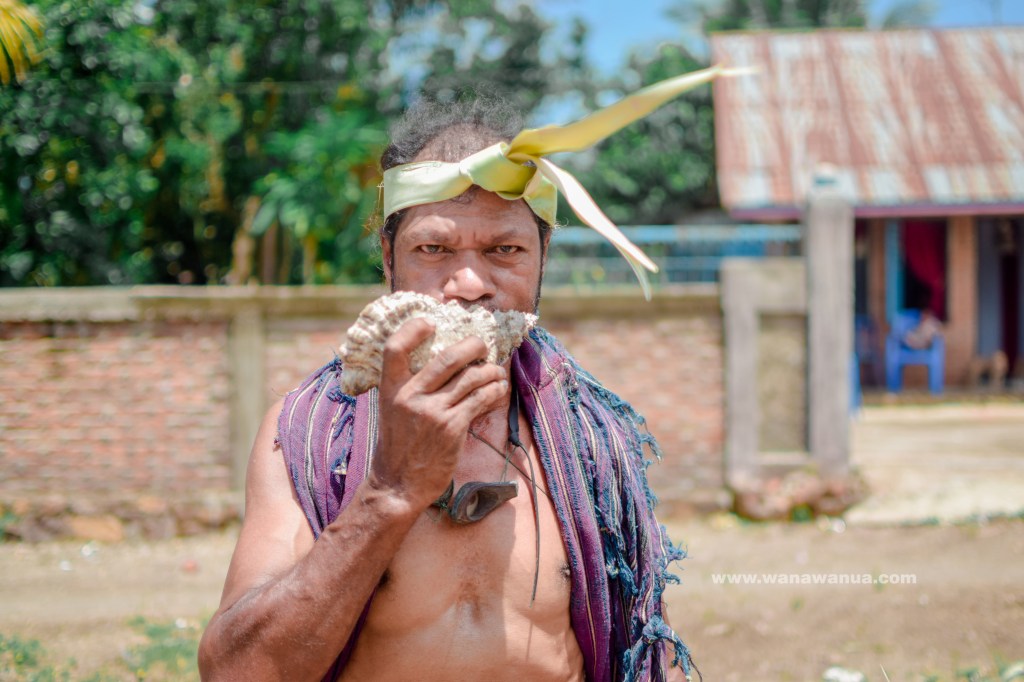
Rituals and Traditional Ceremonies
The life of Lamaholot people is colored with various rituals and traditional ceremonies that are still regularly practiced:
- Pati Ka Ritual – An offering ceremony to ancestors and nature, usually performed before starting important activities such as planting or harvesting.
- Tutto Belung Ceremony – A complex and meaningful funeral ritual, reflecting Lamaholot beliefs about life after death.
- Lodon Wehak Ritual – An annual ceremony to pray for soil fertility and successful harvests.
Lamaholot and the Environment
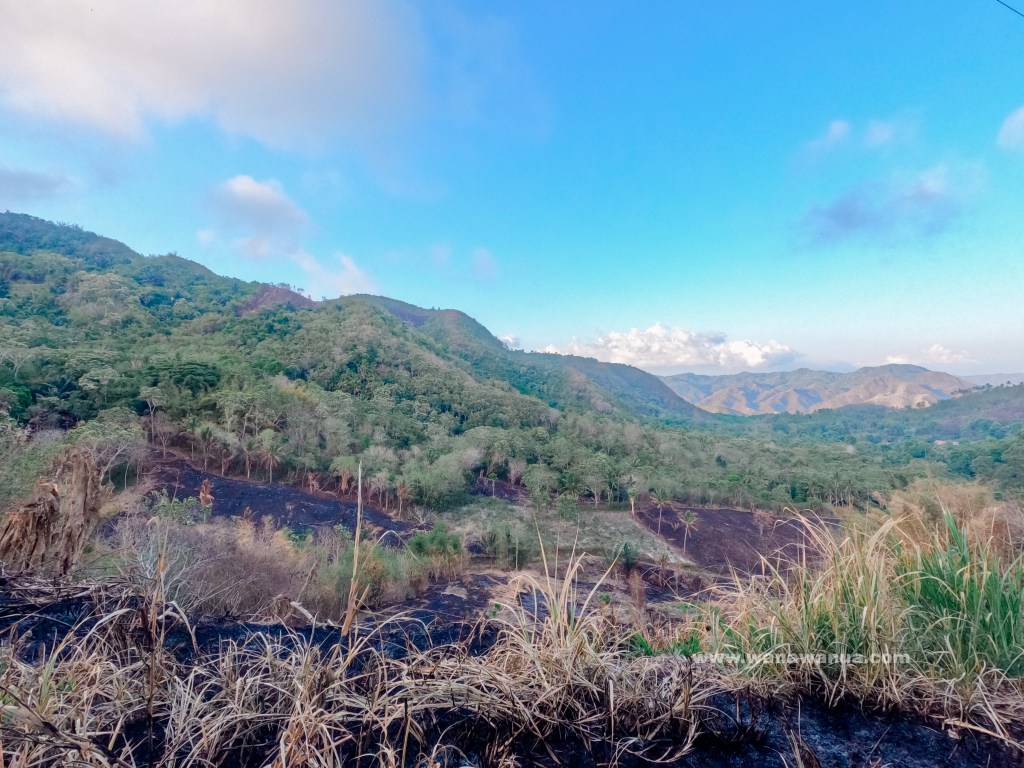
The Lamaholot people have a very close relationship with their natural surroundings. This relationship is reflected in various aspects of their lives.
Traditional Knowledge Systems
Lamaholot people have sophisticated traditional knowledge systems about their environment:
- Astronomical Knowledge – They use star positions to determine the right time for planting and harvesting.
- Botanical Knowledge – Deep understanding of various plant species, including their medicinal properties and uses.
- Maritime Navigation System – Seafaring abilities passed down through generations, allowing them to travel long distances without modern navigation tools.

Traditional Agriculture and Farming
The agricultural system of Lamaholot people still relies on traditional methods that have proven sustainable for centuries:
- Tebe Lete System – A method of farming on mountain slopes with a simple terracing system.
- Nura Practice – A shifting cultivation system that allows natural restoration of soil fertility.
The Natural Kitchen of Lamaholot: Culinary Wisdom Based on the Environment
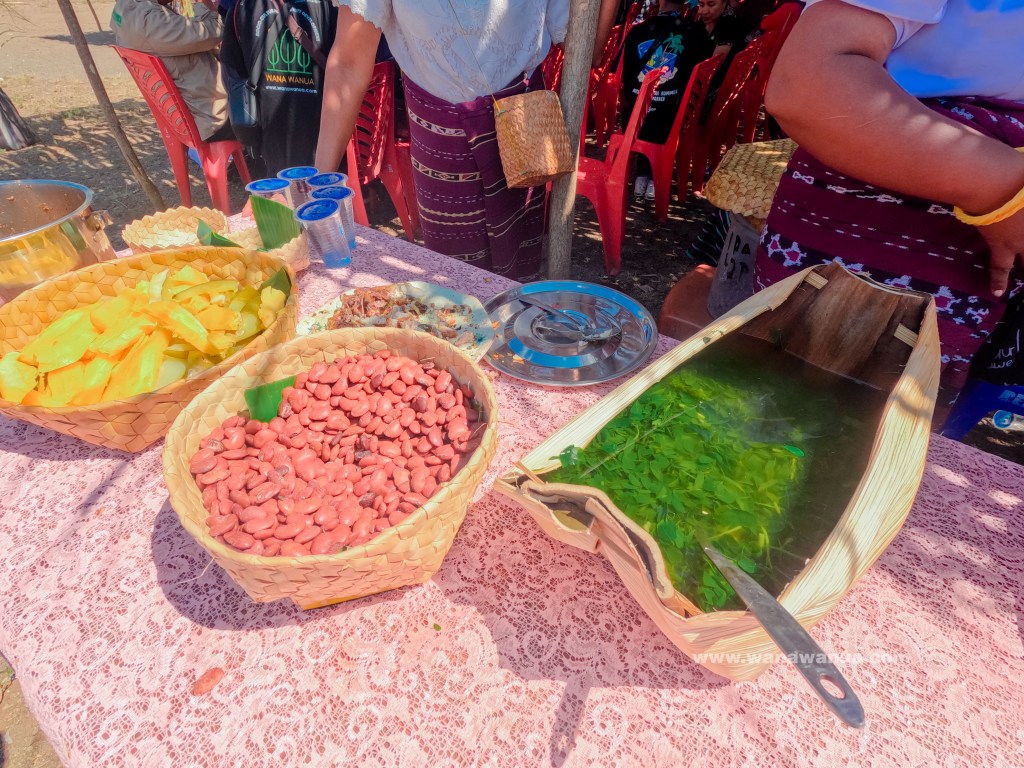
Lamaholot people have a rich culinary heritage that is deeply rooted in the utilization of local natural resources. The natural kitchen of Lamaholot reflects harmony with nature and wisdom in utilizing food ingredients available in the surrounding environment.
Local Food Ingredients
Lamaholot people utilize various local food ingredients available in their environment:
- Marine Products – As a coastal community, fish and other seafood are the main food ingredients. Fish species such as skipjack tuna, yellowfin tuna, and flying fish (molo) are often used as daily food. Fish preservation techniques through salting and drying (salted fish) are local knowledge that is still maintained.
- Tubers – Yams (Dioscorea alata), taro (Colocasia esculenta), and various other types of tubers become important sources of carbohydrates, especially during long dry seasons.
- Legumes – Various types of wild and cultivated beans such as cowpeas (Vigna unguiculata) and pigeon peas (Cajanus cajan) are the primary sources of plant protein.
- Local Vegetables – Various types of local vegetables such as moringa (Moringa oleifera), young papaya, and wild plant shoots are consumed as fresh salads or cooked into vegetable dishes.
- Spices and Seasonings – The use of local spices such as ginger, turmeric, and lime leaves gives distinctive flavors to Lamaholot cuisine.
Traditional Processing Techniques
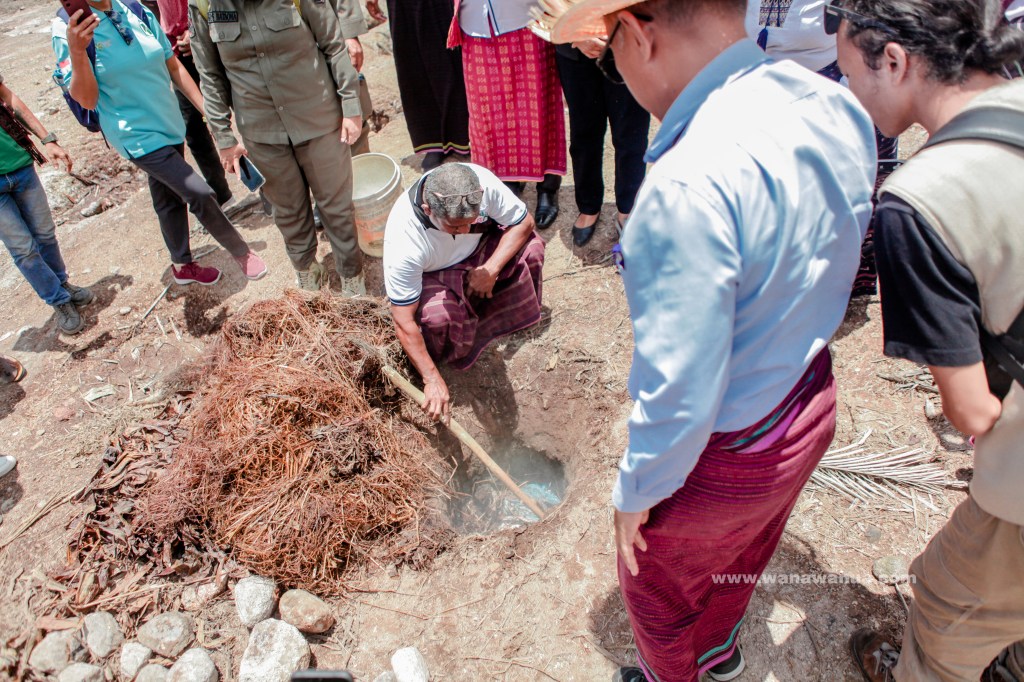
Traditional Lamaholot food processing techniques reflect local wisdom in utilizing limited resources:
- Fermentation Techniques – Corn fermentation to make chicha (fermented drink) and fish fermentation to make bekasam are preservation techniques passed down through generations.
- Stone Baking Technique (Baka Watu) – A cooking technique using hot stones usually done during traditional ceremonies. Meat or fish wrapped in banana leaves is cooked over hot stones that have been heated over fire.
- Smoking Technique (Tapa) – Meat or fish is smoked over a small fire for several hours to several days to preserve it.
- Coconut Oil Production – Processing coconut to make virgin coconut oil is done in a traditional way that requires patience and precision.
Lamaholot Traditional Dishes
Some traditional Lamaholot dishes that reflect local wisdom in utilizing natural resources:
- Kenamé – Fish soup made with simple seasonings of lime, chili, and salt. Kenamé is usually served during traditional ceremonies or important meetings.
- Kenari Sambal – A sauce made from fried candlenuts pounded with chili and salt, giving a distinctive savory and spicy taste.
- Jagung Titi – Corn that is roasted then pounded finely and mixed with grated coconut and sugar. This food is often used as provisions when sailing or farming.
- Ikame – Fish preserved with salt and left for several days until fermented. Ikame is usually served with sambal and rice.
- Wata Holek – A corn-based food that is pounded and mixed with grated coconut and palm sugar, usually served at traditional events.
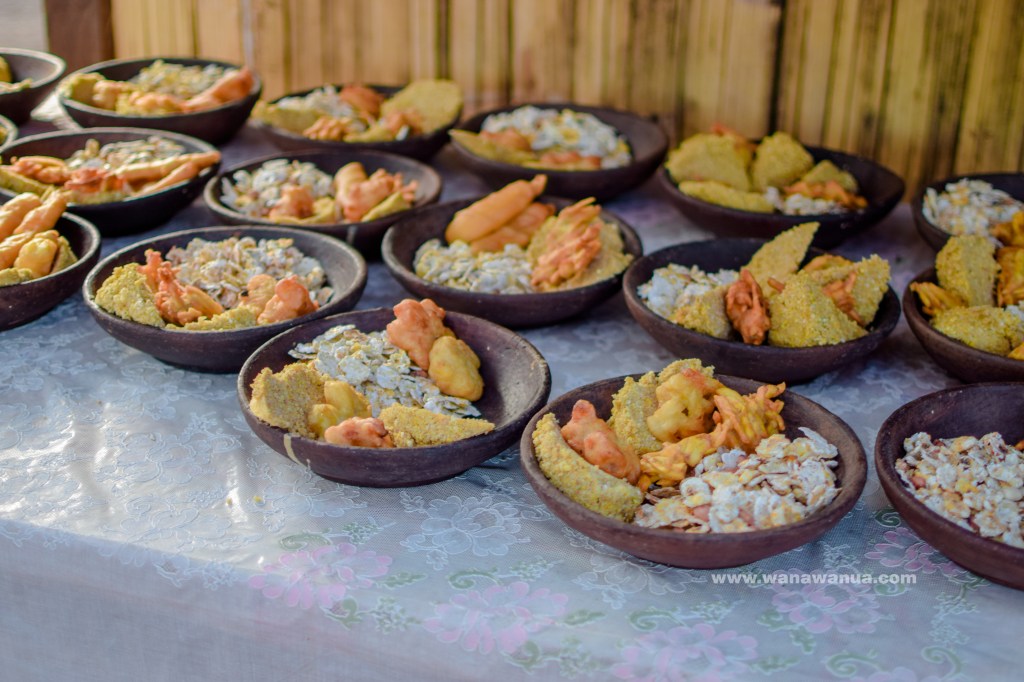
Food in Traditional Rituals
In various Lamaholot traditional rituals, food plays a very important role as a symbol and offering:
- Ketupat (Rice Cake) – Rice-based food wrapped in lontar leaves and cooked until done. Ketupat is often served in traditional ceremonies as a symbol of unity and wholeness.
- Sacrificial Meat – In major traditional ceremonies, animals such as pigs or buffaloes are slaughtered as sacrifices. This meat is then distributed to all community members as a symbol of sharing and togetherness.
- Wini Tukan – Glutinous rice cooked with coconut milk and wrapped in banana leaves, usually served in special traditional ceremonies such as weddings or birth ceremonies.
Challenges and Preservation
The natural kitchen of Lamaholot now faces various challenges:
- Changes in Eating Patterns – The introduction of modern and instant foods changes the eating patterns of Lamaholot people, especially the younger generation.
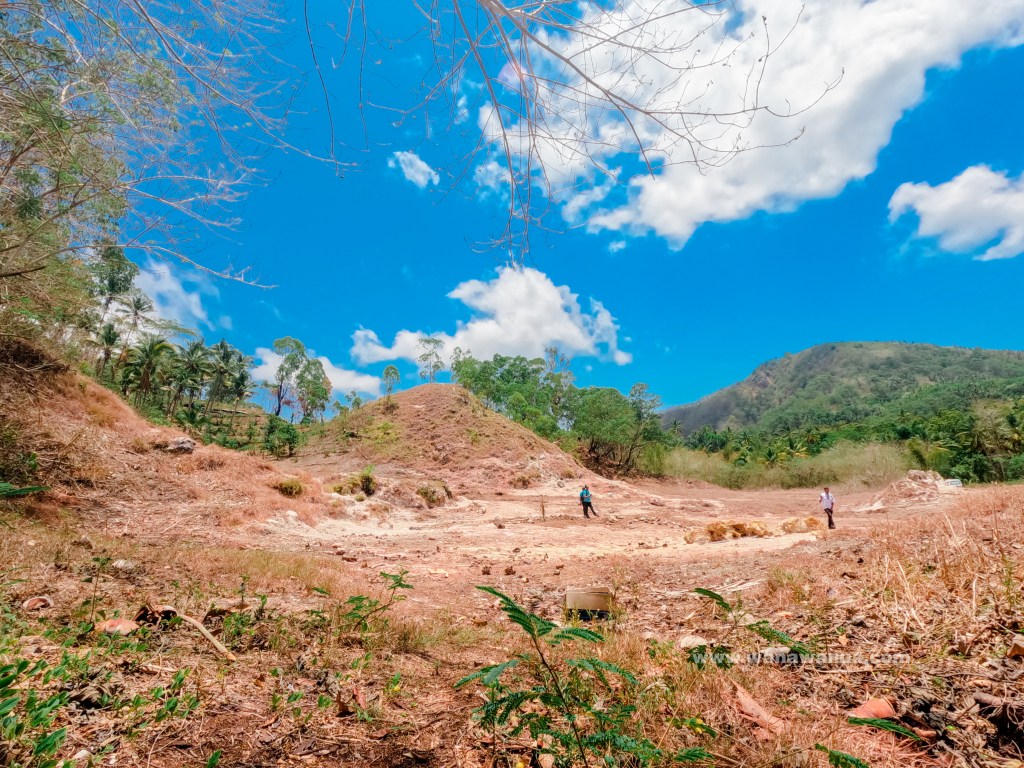
- Environmental Degradation – Reduced availability of local food ingredients due to environmental degradation and climate change.
- Loss of Traditional Knowledge – Young generations who are less interested in learning traditional culinary knowledge.
Efforts to preserve Lamaholot’s natural kitchen need to be done through:
- Documentation of Traditional Recipes – Documenting various traditional recipes and processing techniques so they are not lost.
- Traditional Culinary Festivals – Holding traditional culinary festivals to introduce Lamaholot traditional foods to the wider community.
- Integration into Culinary Tourism – Making traditional Lamaholot cuisine a part of culinary tourism attractions.
Environmental Protection Based on Local Wisdom
The concept of environmental protection has long been part of Lamaholot local wisdom:
- Traditional Forests (Woka Golek) – Forest areas protected by customary law, which must not be excessively exploited.
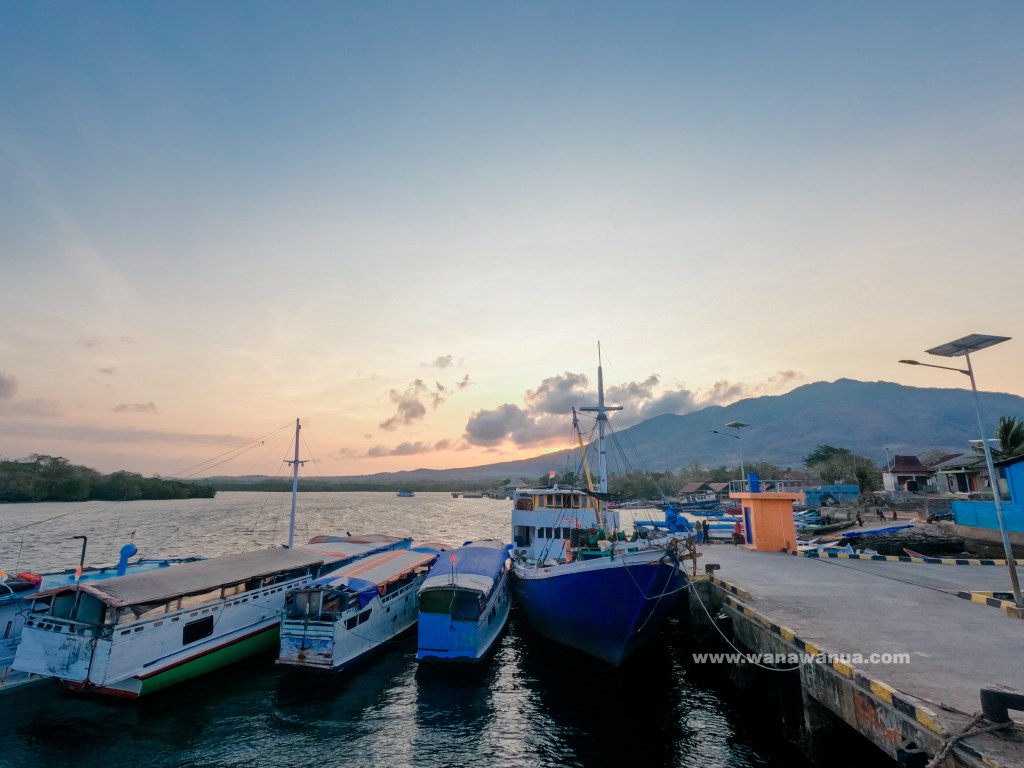
- Traditional Seas (Tahi Golek) – Waters managed traditionally with sustainable fishing rules.
- Sasi System – Temporary bans on taking certain natural resources during specific periods to allow populations to recover.
Contemporary Environmental Challenges
Despite having local wisdom in environmental management, Lamaholot people in Lembata now face various environmental challenges:
- Climate Change – Changes in seasonal patterns that affect traditional agricultural systems.
- Overfishing – The entry of fishing vessels from outside the region that practice unsustainable fishing.
- Forest Degradation – Threats to traditional forests due to agricultural expansion and firewood needs.
- Modernization – The influence of modernization that erodes traditional environmental knowledge.
Ecotourism Potential in Lamaholot Land
The natural beauty and cultural richness of Lamaholot people in Lembata offer tremendous ecotourism potential:
Natural Destinations
- Mount Ile Lewotolok – An active volcano that offers hiking adventures with spectacular views.
- Lamalera White Sand Beach – A pristine white sandy beach with clear seawater.
- Waienga Bay – A beautiful bay that is home to various species of fish and coral reefs.

Cultural Tourism
- Traditional Lamalera Village – Famous for its unique traditional whaling that has been practiced for centuries.
- Lewoleba Weaving Village – A center for Lamaholot ikat weaving that still uses natural dyes.
- Tenungan Festival – An annual festival showcasing various traditional Lamaholot arts.
Culinary Tourism
- Traditional Food Stalls – Places where tourists can taste authentic Lamaholot traditional foods.
- Traditional Cooking Classes – Experiences learning to cook traditional Lamaholot food with local ingredients.
- Traditional Markets – Places to see and buy various local food ingredients used in Lamaholot cuisine.
Opportunities and Challenges in the Modern Era
Lamaholot people are now at a crossroads between maintaining traditional identity and adopting modernity:
Opportunities
- Sustainable Tourism – Development of culture and nature-based tourism that provides economic benefits to local communities.
- Cultural Preservation – Documentation and revitalization of various forms of traditional culture that are threatened with extinction.
- Creative Economy – Development of products based on local culture for broader markets.
- Traditional Gastronomy – Development and promotion of traditional cuisine as part of Lamaholot cultural identity.
Challenges
- Cultural Erosion – The influence of modernization and globalization that threatens the sustainability of traditional culture.
- Population Migration – The movement of young generations to big cities, causing a lack of transmission of traditional knowledge.
- Infrastructure – Limited infrastructure that impedes access and regional development.
- Changes in Consumption Patterns – The introduction of modern food products that shift the position of traditional foods.

Conclusion
Lamaholot in Lembata is a portrait of an indigenous community that has succeeded in maintaining cultural richness and a harmonious relationship with nature amid the pressures of modernization. Their local wisdom in managing natural resources, including traditional culinary practices, and their strong social structure have enabled them to survive for centuries.
The natural kitchen of Lamaholot is a manifestation of the close relationship between humans and nature, illustrating how traditional communities can utilize natural resources wisely and sustainably. This culinary wisdom is not merely a way to meet food needs but is also part of a cultural identity that needs to be preserved.
In this era of globalization, Lamaholot people face significant challenges in maintaining their cultural identity. However, with the right approach, their cultural richness, traditional cuisine, and environment can become valuable assets for sustainable development in the future.
Efforts to preserve and promote Lamaholot culture need to involve various stakeholders, including government, academics, local communities, and the private sector. With effective collaboration, the social, cultural, and environmental richness of Lamaholot people can be sustained and provide benefits for future generations.
Written By: Naning Sudiarsih
Visual stories can be accessed on our YouTube channel: https://youtu.be/2HVIUUIF5dA?si=So4bsOoyzf-80wLk
 Wana Wanua
Leave a comment