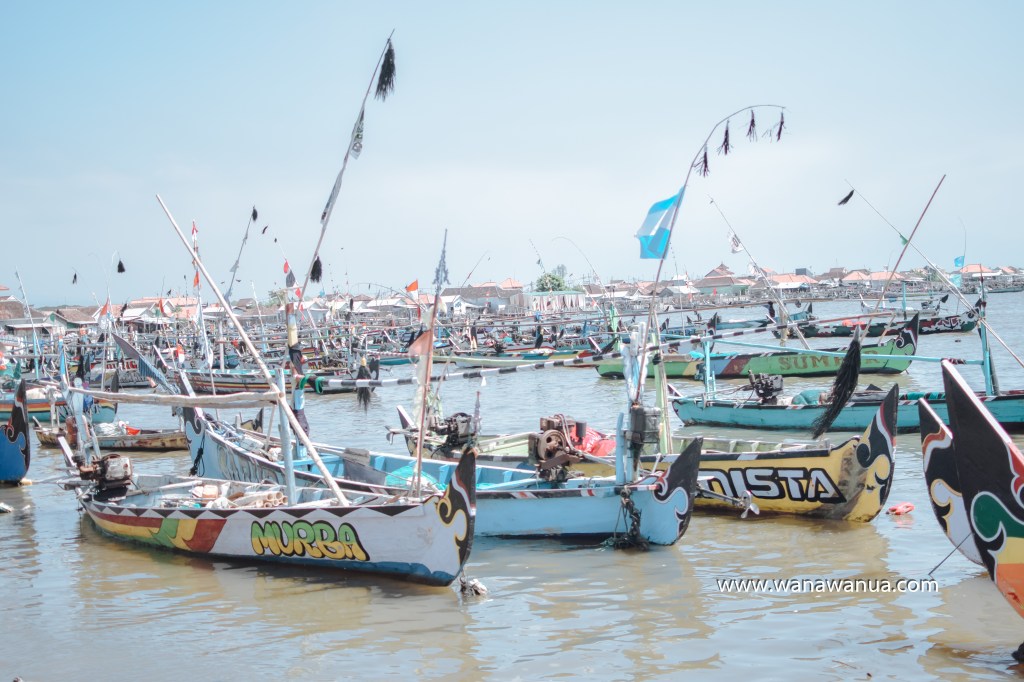
Fishing communities represent unique societal structures shaped by their intimate relationship with the sea. These communities, often existing on the fringes of coastal regions, have developed distinct cultural, social, and economic practices over generations. Their way of life, deeply intertwined with marine ecosystems, offers a fascinating glimpse into how human societies adapt to and thrive in challenging environments.
At the heart of these communities lies a complex social structure. Hierarchies often form based on fishing expertise, boat ownership, and familial lineage. Experienced fishers and elders typically hold significant sway in community decisions, their wisdom respected and sought after in matters ranging from fishing techniques to conflict resolution. The formation of fishing crews, a crucial aspect of the community’s economic life, relies on intricate social networks that balance the need for cooperation with an undercurrent of competition.
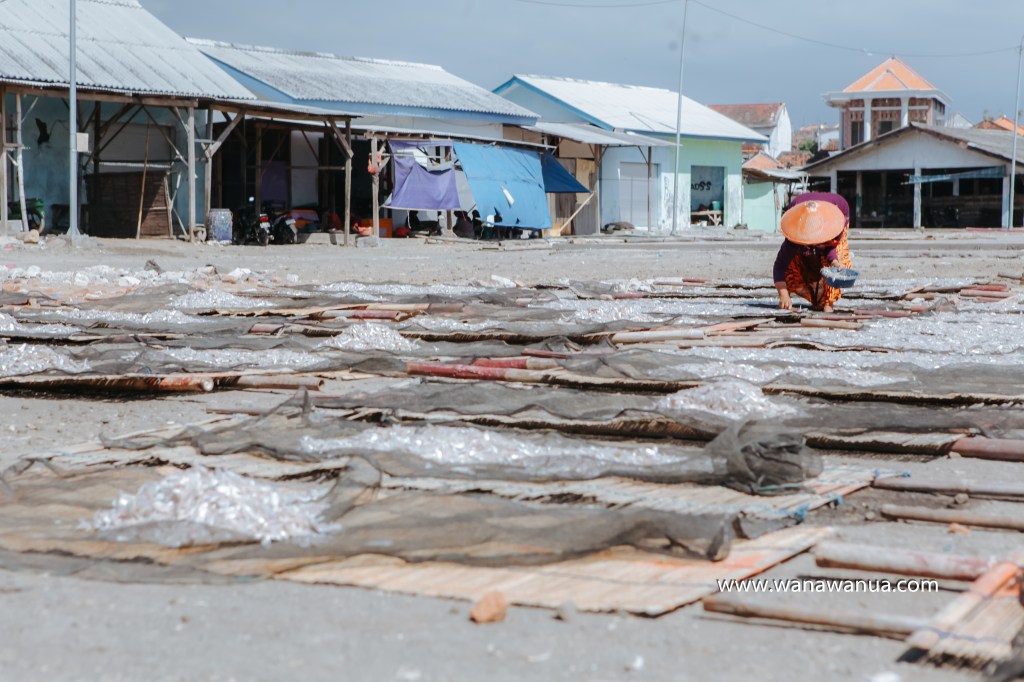
Gender roles in fishing communities present an interesting dichotomy. While the act of fishing itself is predominantly male-dominated in many cultures, women play indispensable roles that keep the community functioning. Their responsibilities often extend to post-harvest activities, including fish processing and marketing. Women are also typically the backbone of household management, maintaining the social fabric of the community while men are at sea. These gender-based roles, deeply rooted in tradition, are not static; they evolve in response to changing economic conditions and societal norms.

One of the most valuable assets of fishing communities is their traditional ecological knowledge. Accumulated over centuries and passed down through generations, this knowledge encompasses a deep understanding of marine ecosystems, weather patterns, and fish behavior. Fishers can often predict fish movements, understand the impact of lunar cycles on tides, and recognize subtle environmental cues that signal changes in the sea. This traditional knowledge, while sometimes at odds with modern scientific approaches, is increasingly recognized for its value in sustainable resource management and conservation efforts.
The fishing techniques and technologies employed by these communities are as diverse as the marine environments they exploit. From simple hand lines and nets to more complex trap systems and modern trawlers, the methods used reflect both traditional practices and adaptations to changing technologies. The choice of fishing gear and methods is not merely a technical decision but is deeply influenced by cultural preferences, economic constraints, and the specific marine ecosystem being harvested.

Economically, fishing communities operate under unique systems that differ significantly from land-based economies. The unpredictable nature of fishing yields results in economic structures designed to mitigate risk and uncertainty. These may include systems of catch distribution that ensure a basic level of sustenance for all community members, credit arrangements between fishers and merchants, and diversified household economies where fishing is supplemented by other activities. The increasing globalization of seafood markets has brought both opportunities and challenges, linking even the most remote fishing villages to international economic forces.
Spiritual and cultural beliefs play a significant role in many fishing communities. Rituals and taboos associated with fishing are common, reflecting the community’s attempt to make sense of and exert some control over the unpredictable marine environment. These may include ceremonies performed before embarking on fishing trips, prohibitions on certain fishing practices during specific times, or beliefs in sea deities that must be appeased for a good catch. While these practices may seem superstitious to outsiders, they often serve important social functions, reinforcing community bonds and promoting sustainable fishing practices.
The ability to adapt to a changing environment is a hallmark of fishing communities. Faced with the inherent risks of working at sea, these communities have developed sophisticated risk management strategies. These include diversifying fishing grounds, having flexible crew compositions, and maintaining strong social support networks. In recent years, this adaptive capacity has been increasingly tested by climate change, which is altering fish distributions, changing weather patterns, and increasing the frequency of extreme events.
Communication within fishing communities often relies on specialized language and information networks. A rich vocabulary related to fish species, sea conditions, and fishing techniques develops, forming an integral part of the community’s cultural identity. Information about good fishing spots or approaching storms is shared through well-established community networks, balancing cooperation with the need to maintain a competitive edge.
Family and kinship play a central role in the social and economic life of fishing communities. Fishing skills and knowledge are often passed down from parents to children, creating fishing dynasties that span generations. Family ties frequently influence the composition of fishing crews, and extended family networks provide crucial support during lean times or emergencies. This strong familial basis contributes to the resilience of fishing communities but can also lead to challenges when traditional practices conflict with individual aspirations or economic necessities.
Interactions with the world beyond the community have become increasingly important. Fishing communities must navigate relationships with government regulators, compete with industrial fishing operations, and adapt to marine conservation measures. These interactions often lead to tensions, particularly when external regulations conflict with traditional fishing practices or when communities feel their concerns are not adequately addressed in policy decisions.
The strong maritime identity of fishing communities is expressed through various cultural forms, including art, music, and storytelling. Festivals and community events often center around the sea and fishing, reinforcing social bonds and cultural continuity. However, this identity is increasingly under pressure from modernization and globalization, leading to questions about cultural preservation and adaptation.
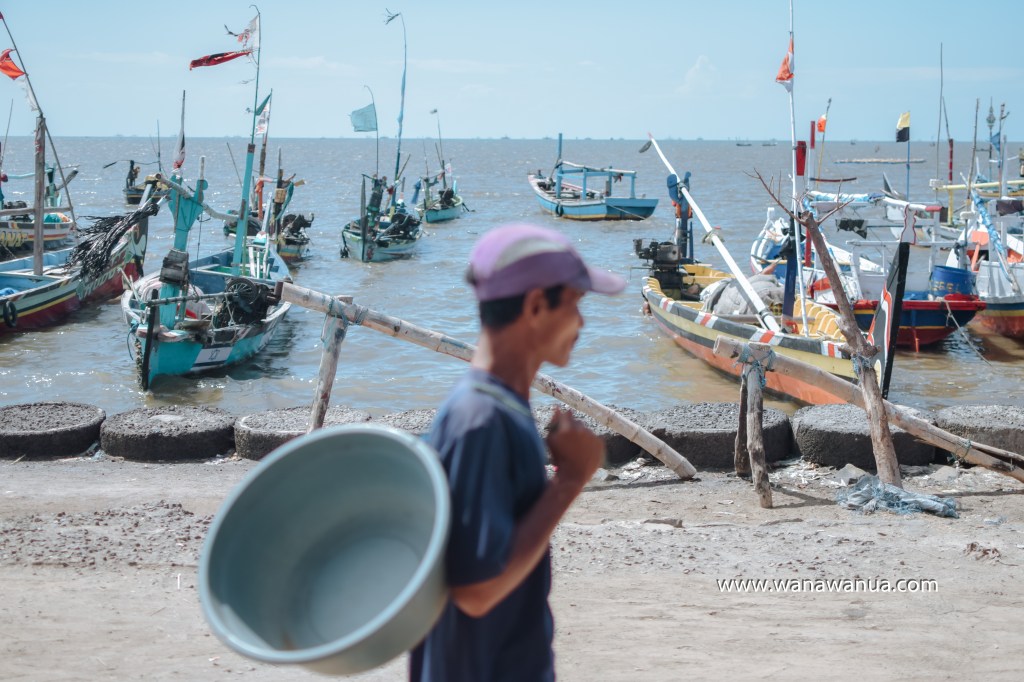
Health and safety are ongoing concerns in fishing communities. The physical demands and dangers of fishing take a toll on fishers’ bodies, while the economic uncertainties can lead to significant stress. Traditional healing practices often coexist with modern medical approaches, reflecting the community’s blend of traditional and contemporary knowledge.
Education in fishing communities is evolving. While traditional knowledge continues to be passed down through apprenticeship and hands-on experience, formal education is gaining importance. This creates both opportunities and challenges, as young people gain skills that may lead them away from fishing while potentially bringing new knowledge and technologies back to their communities.
The impact of climate change and environmental degradation poses existential threats to many fishing communities. Rising sea levels, changing fish distributions, and increasing ocean acidification are just some of the challenges they face. Many communities are drawing on their traditional knowledge and adaptive capacities to develop strategies for coping with these changes, but the scale of the challenge often requires support from broader societal institutions.
As fishing communities navigate the complexities of the modern world, they face difficult questions about sustainability, both of their resources and their way of life. The tension between maintaining traditional practices and embracing change is a constant theme. Some communities are exploring alternative livelihoods, such as tourism or aquaculture, to supplement or replace traditional fishing activities.
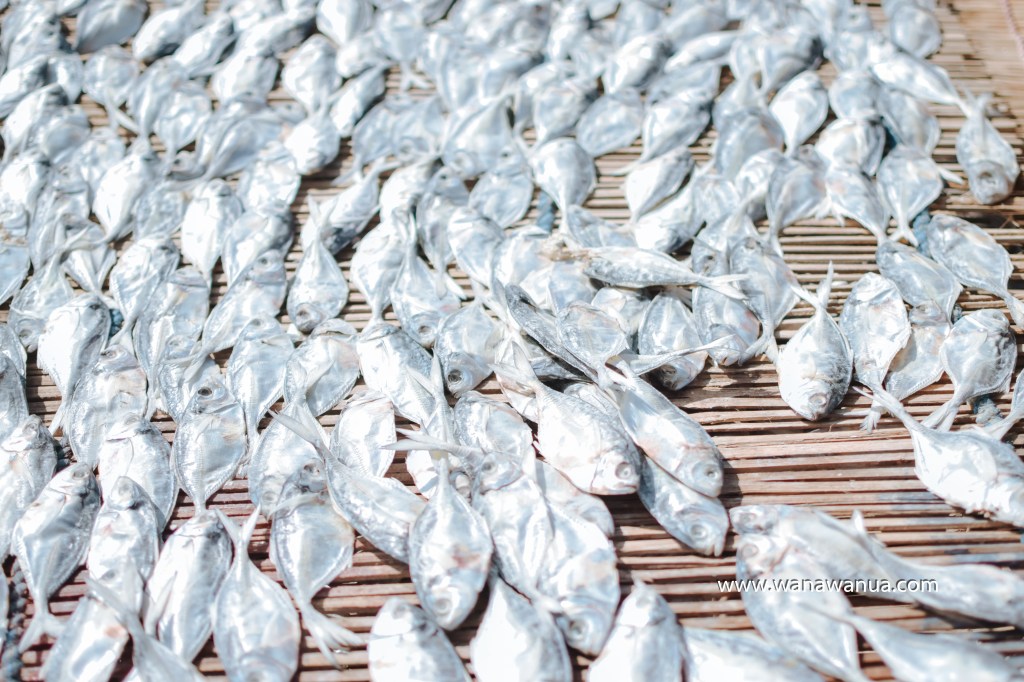
In conclusion, fishing communities represent unique social structures that have evolved in close relationship with the marine environment. Their traditional knowledge, adaptive strategies, and cultural practices offer valuable insights into sustainable resource management and community resilience. However, these communities also face significant challenges from environmental change, economic pressures, and societal shifts. Understanding and supporting fishing communities is not just about preserving a way of life; it’s about recognizing the vital role they play in food security, cultural diversity, and the sustainable management of our oceans.
Blog written by Naning Sudiarsih
Visual stories can be accessed on our YouTube channel https://youtu.be/k02WtWh4RC0
 Wana Wanua
Leave a comment