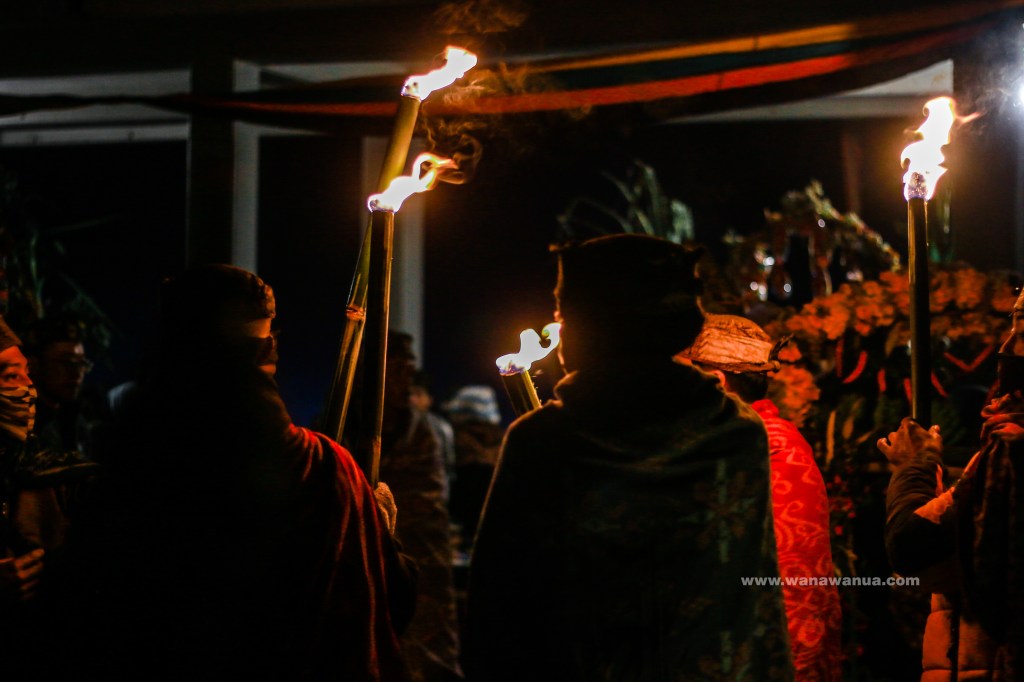
In the rugged terrain of East Java, Indonesia, where the majestic Mount Bromo pierces the sky, an ancient tradition continues to unfold annually, captivating both participants and observers alike. The Yadnya Kasada ceremony, performed by the Tengger people, stands as a testament to the enduring power of cultural practices and their intricate relationship with the natural environment. This essay delves into the multifaceted aspects of Yadnya Kasada, exploring its historical roots, ritualistic complexities, philosophical underpinnings, and the challenges it faces in the modern world. Through this examination, we will uncover how this unique ceremony embodies the delicate balance between human culture, natural conservation, and spiritual beliefs.
Historical Context and Mythological Foundations
The Yadnya Kasada ceremony is deeply rooted in the legendary tale of Roro Anteng and Joko Seger, the mythical progenitors of the Tengger people. This origin story not only provides the historical context for the ritual but also encapsulates the core values and beliefs of the Tengger community. The legend speaks of a royal couple who, after years of childlessness, made a fateful promise to the mountain deity: if blessed with children, they would sacrifice their youngest child to the volcano. This narrative of divine bargain and ultimate sacrifice sets the stage for understanding the profound significance of Yadnya Kasada in Tengger culture.
The concept of sacrifice, central to this legend, permeates the entire ceremony and reflects a fundamental aspect of Tengger philosophy. It embodies the idea that maintaining cosmic harmony requires a give-and-take relationship between humans and the divine. This notion of reciprocity extends beyond mere religious observance, influencing the Tengger people’s approach to their environment and community life.
By annually reenacting this mythical sacrifice through the Yadnya Kasada ceremony, the Tengger people reaffirm their cultural identity and their covenant with the natural world. The ritual serves as a living link to their ancestors, reinforcing communal bonds and ensuring the transmission of traditional values across generations. This historical continuity provides a sense of stability and belonging in a rapidly changing world, anchoring the Tengger community to their unique cultural heritage.
Ritualistic Complexities and Spiritual Preparations
The Yadnya Kasada ceremony is far more than a single day of offering; it encompasses a complex series of rituals and preparations that engage the entire Tengger community. The preparatory phase involves both individual and collective purification rites, highlighting the holistic nature of Tengger spirituality. These cleansing rituals, performed at personal and village levels, underscore the interconnectedness of individual, communal, and environmental purity in Tengger belief systems.
The creation of special offerings for Yadnya Kasada is a meticulous process that reflects the ceremony’s spiritual significance. These offerings, typically consisting of agricultural produce, livestock, and other valuable items, represent the community’s gratitude and commitment to their spiritual beliefs. The careful selection and preparation of these offerings demonstrate the Tengger people’s deep connection to their agricultural lifestyle and their reverence for the natural bounty of their homeland.
The journey to the crater of Mount Bromo, where the main ritual takes place, is itself a significant part of the ceremony. This procession symbolizes the physical and spiritual ascent towards the divine, mirroring the mythical journey of their ancestors. The challenging terrain of the volcano serves as a natural obstacle course, testing the devotees’ resolve and reinforcing the idea of spiritual purification through physical endurance.
The recitation of prayers and mantras during the ceremony adds another layer of complexity to the ritual. These verbal expressions of devotion, often in ancient languages, serve to invoke divine presence and protection. The use of these traditional utterances not only preserves linguistic heritage but also creates a sacred soundscape that enhances the spiritual atmosphere of the event.
Philosophical Underpinnings and Environmental Harmony
At its core, Yadnya Kasada embodies the Tengger concept of cosmic balance. This philosophy posits that harmony between humans, nature, and the divine is essential for the wellbeing of all. The act of throwing offerings into the volcano’s crater symbolizes the return of a portion of the earth’s bounty to its source, completing a cycle of give and take. This practice reflects a deep-seated belief in the interdependence of all elements in the universe.
The Tengger people’s understanding of their relationship with Mount Bromo goes beyond mere geographical proximity. The volcano is perceived as a living entity, a source of both life and potential destruction. This perception fosters a sense of respect and caution in their interactions with the mountain, influencing their agricultural practices and resource management strategies. The annual ceremony serves as a reminder of the need for sustainable coexistence with their volatile natural environment.
The philosophical aspects of Yadnya Kasada extend to the Tengger people’s broader approach to environmental stewardship. Their traditional agricultural systems, characterized by terraced farming and crop rotation, demonstrate an intuitive understanding of sustainable land use. These practices, honed over generations, allow the community to thrive in the challenging volcanic landscape while minimizing environmental degradation.
Furthermore, the Tengger people’s forest management practices reflect their holistic worldview. Sacred groves and protected areas around Mount Bromo are maintained not just for their spiritual significance but also for their ecological importance. This integration of spiritual beliefs with practical conservation measures showcases the potential of traditional knowledge systems in addressing modern environmental challenges.
Challenges of Modernization and Tourism
The increasing exposure of Yadnya Kasada to the outside world, primarily through tourism, presents both opportunities and challenges for the Tengger community. On one hand, tourism has brought economic benefits and increased awareness of Tengger culture. On the other hand, it poses a risk to the authenticity and spiritual integrity of the ceremony.
The influx of tourists during the Yadnya Kasada ceremony has led to concerns about the commodification of cultural practices. The presence of cameras and the spectacle-seeking behavior of some visitors can detract from the solemnity of the ritual. This situation raises questions about the balance between cultural preservation and economic development, a dilemma faced by many indigenous communities worldwide.
Moreover, the growing popularity of the event has led to safety concerns, particularly regarding the practice of catching offerings thrown into the crater. While this practice has become a notable feature of the ceremony, it was not originally part of the ritual and poses significant risks to those involved. The local authorities and community leaders face the challenge of managing these new dynamics while preserving the essence of the tradition.
The younger generation of Tengger people, exposed to modern education and global influences, may find themselves caught between tradition and modernity. This generational shift could potentially lead to a dilution of traditional practices and beliefs. However, it also presents an opportunity for the evolution of the ceremony, adapting it to contemporary contexts while retaining its core spiritual and cultural significance.
Broader Context of Tengger Wisdom and Practices
While Yadnya Kasada is the most well-known aspect of Tengger culture, it is but one facet of a rich tapestry of traditional wisdom and practices. The Tengger people’s agricultural techniques, for instance, demonstrate a sophisticated understanding of their local ecosystem. Their terraced farming methods, adapted to the steep volcanic slopes, minimize soil erosion and optimize water usage. These practices not only ensure food security but also contribute to the overall stability of the mountain ecosystem.
The Tengger community’s approach to forest management offers valuable insights into sustainable resource use. Their traditional laws and customs regarding forest access and utilization have helped maintain the biodiversity of the Bromo Tengger Semeru National Park. This system of customary law, passed down through generations, exemplifies how indigenous knowledge can complement modern conservation efforts.
The Tengger people’s traditional medicine and ethnobotanical knowledge represent another aspect of their local wisdom. Their understanding of local flora for medicinal purposes reflects a deep connection with their environment and a holistic approach to health and wellbeing. This knowledge, accumulated over centuries, holds potential benefits not just for the community but for broader medical research and biodiversity conservation efforts.
Yadnya Kasada in the Context of Global Indigenous Movements
The persistence of Yadnya Kasada in the face of modernization can be seen as part of a larger global trend of indigenous cultural resurgence. Around the world, indigenous communities are asserting their rights to maintain traditional practices and manage their ancestral lands. The Tengger people’s continued observance of Yadnya Kasada, therefore, is not just a local cultural phenomenon but part of a global movement for indigenous rights and cultural preservation.
The ceremony also provides a platform for dialogue between traditional knowledge systems and modern scientific understanding. The Tengger people’s intimate knowledge of their local environment, as demonstrated through their rituals and daily practices, offers valuable insights for climate change adaptation and disaster risk reduction strategies. Their long-standing relationship with an active volcanic environment has fostered resilience and adaptability, qualities that are increasingly relevant in the face of global environmental challenges.
Furthermore, the Yadnya Kasada ceremony serves as a reminder of the importance of cultural diversity in an increasingly homogenized world. It demonstrates how unique cultural practices can contribute to the richness of human experience and provide alternative perspectives on human-nature relationships. In this context, the preservation of such traditions becomes not just a matter of local interest but a contribution to global cultural heritage.
Conclusion: Bridging Past, Present, and Future
The Yadnya Kasada ceremony of the Tengger people stands as a powerful example of living heritage, where ancient traditions continue to shape contemporary life and environmental interactions. Through this annual ritual, we witness the intricate interplay between mythology, spirituality, ecology, and community cohesion. The ceremony’s endurance in the face of modernization speaks to its deep-rooted significance in Tengger culture and its adaptability to changing circumstances.
As we look to the future, the challenges facing Yadnya Kasada and the broader Tengger culture are significant. Balancing cultural preservation with economic development, managing the impacts of tourism, and ensuring the transmission of traditional knowledge to younger generations are complex tasks that require careful navigation. However, these challenges also present opportunities for innovation and cultural revitalization.
The global relevance of Yadnya Kasada lies in its embodiment of sustainable human-nature relationships and the power of cultural practices in fostering environmental stewardship. As the world grapples with environmental crises and the loss of cultural diversity, the wisdom embedded in traditions like Yadnya Kasada offers valuable perspectives and potential solutions.
In conclusion, the study of Yadnya Kasada and Tengger culture provides more than just anthropological insights; it offers lessons in resilience, adaptability, and harmonious coexistence with nature. As we move forward in an increasingly interconnected world, the preservation and understanding of such unique cultural practices become crucial not only for the communities that practice them but for the broader human tapestry of which we are all a part. The story of Yadnya Kasada reminds us that in the intersection of tradition, nature, and spirituality, we may find pathways to a more sustainable and culturally rich future.
Blog written by Naning Sudiarsih
Visual stories can be accessed on our YouTube channel https://youtu.be/2LrGZ-k-7fs?feature=shared
The short video can be accessed on our LinkedIn https://www.linkedin.com/posts/wana-wanua-foundation_indonesianculture-localwisdom-tenggertribe-activity-7259146303425687552-wuJH?utm_source=share&utm_medium=member_android&rcm=ACoAACnOYTUBgbVegPlJHeRCkVItEYBEaHep0bw
 Wana Wanua
Leave a comment